
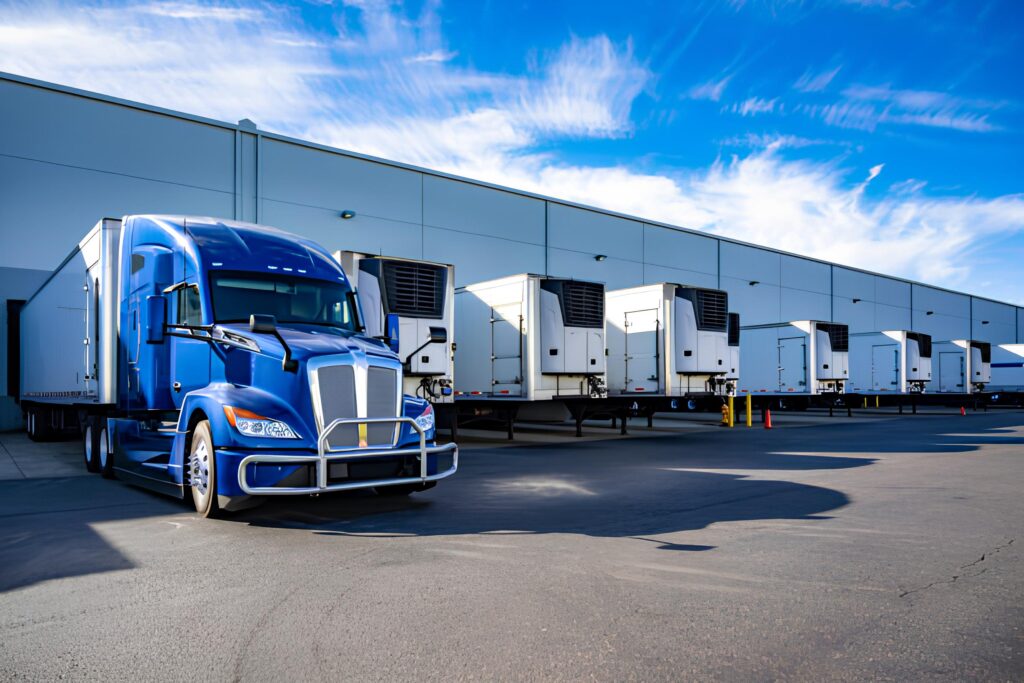
Atlanta is a major logistics hub, making trailer rentals a practical solution for businesses that need flexibility without the long-term commitment of ownership. Whether you manage a fleet, coordinate shipments, or run a growing business, renting a trailer can help you scale operations efficiently.
Understanding trailer rental Atlanta cost types is essential before making a decision. Costs, trailer types, and rental terms can vary widely, so knowing what to expect helps you choose the right option for your needs. This complete guide covers everything from pricing structures to trailer comparisons and expert tips.
Why Rent a Trailer in Atlanta
Renting a trailer offers several advantages, especially in a fast-moving logistics market like Atlanta.
One of the main benefits is flexibility. Businesses can rent trailers for short-term projects, seasonal demand, or unexpected workload increases without investing in permanent assets. This is especially useful for logistics coordinators who need to adapt quickly.
Cost savings are another key factor. Purchasing and maintaining trailers can be expensive. Renting eliminates upfront costs and reduces ongoing maintenance responsibilities. It allows businesses to allocate resources more efficiently.
Trailer rentals are also ideal for testing different equipment types. If you are unsure which trailer works best for your operations, renting allows you to evaluate options before making a long-term investment.
Types of Trailers Available for Rent
Choosing the right trailer is one of the most important decisions in the rental process. Each type serves a specific purpose.
1. Dry Van Trailers
Dry van trailers are the most commonly rented option. They are fully enclosed and protect goods from the weather and external damage. These trailers are ideal for transporting general cargo such as retail goods, packaged items, and electronics.
2. Refrigerated Trailers
Refrigerated trailers, often called reefers, are designed for temperature-sensitive goods. They are widely used in the food and pharmaceutical industries. These trailers maintain consistent temperatures, ensuring that perishable items remain safe during transport.
3. Flatbed Trailers
Flatbed trailers are open and do not have sides or a roof. They are perfect for transporting oversized or heavy loads such as construction materials, machinery, and equipment. Their open design makes loading and unloading easier.
4. Lowboy and Specialized Trailers
Lowboy trailers are used for transporting heavy equipment that exceeds standard height limits. These are commonly used in construction and industrial sectors. Specialized trailers are designed for specific needs and may include unique features.
5. Utility and Enclosed Trailers
Utility and enclosed trailers are smaller options suitable for light-duty tasks. They are often used for local deliveries, small business operations, or personal use.
Trailer Rental Atlanta Cost Types Explained
Understanding pricing is crucial when evaluating rental options.
Daily, Weekly, and Monthly Rental Rates
Rental companies typically offer flexible pricing based on duration. Daily rates are ideal for short-term use, while weekly and monthly rates provide better value for longer projects. The longer the rental period, the lower the cost per day.
Factors That Affect Rental Costs
Several factors influence rental pricing. The type and size of the trailer play a major role, with larger or specialized trailers costing more. Rental duration also affects pricing, as longer rentals often come with discounts.
Availability and demand can impact costs as well. During peak seasons, prices may increase due to higher demand. Additional services such as delivery, maintenance, or insurance can also add to the total cost.
Hidden Fees to Watch For
It is important to review the rental agreement carefully to avoid unexpected charges. Common hidden fees include security deposits, insurance costs, mileage charges, and late return penalties. Understanding these details helps you plan your budget accurately.
Comparing Trailer Types: Which One Do You Need
Selecting the right trailer requires careful consideration of your specific requirements.
Matching Trailer Type to Cargo
The type of cargo you transport determines the best trailer option. For example, dry vans are suitable for general goods, while refrigerated trailers are necessary for temperature-sensitive items. Flatbeds are ideal for oversized loads that cannot fit in enclosed trailers.
Weight Capacity and Dimensions
Each trailer has specific weight limits and dimensions. Exceeding these limits can lead to safety risks and additional costs. Always choose a trailer that can handle your load comfortably.
Industry Specific Needs
Different industries have unique requirements. Construction companies often use flatbeds or lowboys, while retail businesses rely on dry vans. Understanding your industry needs helps you make the right choice.
Key Features to Look for in a Rental Trailer
Not all trailers are created equal. Evaluating key features ensures you get the best value.
Build quality is essential for durability and safety. A well-maintained trailer reduces the risk of breakdowns. Safety features such as proper braking systems and secure locking mechanisms are also important.
Check the maintenance history of the trailer to ensure it has been serviced regularly. Ease of loading and unloading is another factor to consider, especially for time-sensitive operations.
Tips for Choosing the Right Trailer Rental Provider
The provider you choose can have a significant impact on your overall experience.
1. Reputation and Reviews
Start by researching the company’s reputation. Customer reviews provide insight into reliability, service quality, and overall satisfaction.
2. Fleet Availability
A good rental provider offers a wide range of trailer options. This allows you to choose the best fit for your needs without compromise.
3. Transparent Pricing
Look for companies that provide clear and detailed pricing. Transparent contracts help you avoid hidden costs and understand exactly what you are paying for.
4. Customer Support and Service
Responsive customer support is essential, especially if issues arise during the rental period. A reliable provider will be available to assist you when needed.
Cost Optimization Strategies for Fleet Operators
Managing costs effectively is a priority for fleet operators.
One strategy is to plan rentals during off-peak periods when demand is lower. This can result in better pricing. Long-term rentals often come with discounts, making them more cost-effective for extended projects.
Avoiding unnecessary add-ons is another way to control costs. Only select services that are essential for your operations. Proper planning and scheduling can also help you make the most of your rental period.
Final Checklist Before Renting a Trailer
Before finalizing your rental, go through a simple checklist.
Confirm the type and size of the trailer you need. Review pricing and contract terms carefully. Inspect the trailer for any damage or issues. Verify insurance requirements and ensure you understand your responsibilities.
Taking these steps helps you avoid problems and ensures a smooth rental experience.
Conclusion
Renting a trailer in Atlanta can be a smart and cost-effective solution for businesses that need flexibility and efficiency. By understanding trailer rental Atlanta cost types, comparing trailer options, and evaluating providers, you can make informed decisions that support your operations.
The right trailer and rental partner can improve productivity, reduce costs, and help you meet your logistics goals with confidence. Careful planning and attention to detail ensure that you get the most value from your rental.
If you are ready to find the perfect trailer for your needs, Tern Services offers reliable rental options and expert support. Contact their team today to explore available trailers and choose the best solution for your business.
FAQs
Trailer rental costs in Atlanta typically include daily, weekly, and monthly rates. Prices vary based on trailer type, size, rental duration, and additional services.
The right trailer depends on your cargo. Dry vans suit general goods, reefers are for temperature-sensitive items, and flatbeds work best for oversized loads.
Pricing depends on trailer type, availability, rental duration, demand, and added services like delivery, insurance, or maintenance.
Yes, some rentals include extra charges such as deposits, mileage fees, late return penalties, and insurance costs. Always review the agreement carefully.
You can save money by booking long-term rentals, avoiding peak seasons, selecting only necessary add-ons, and comparing multiple providers.