
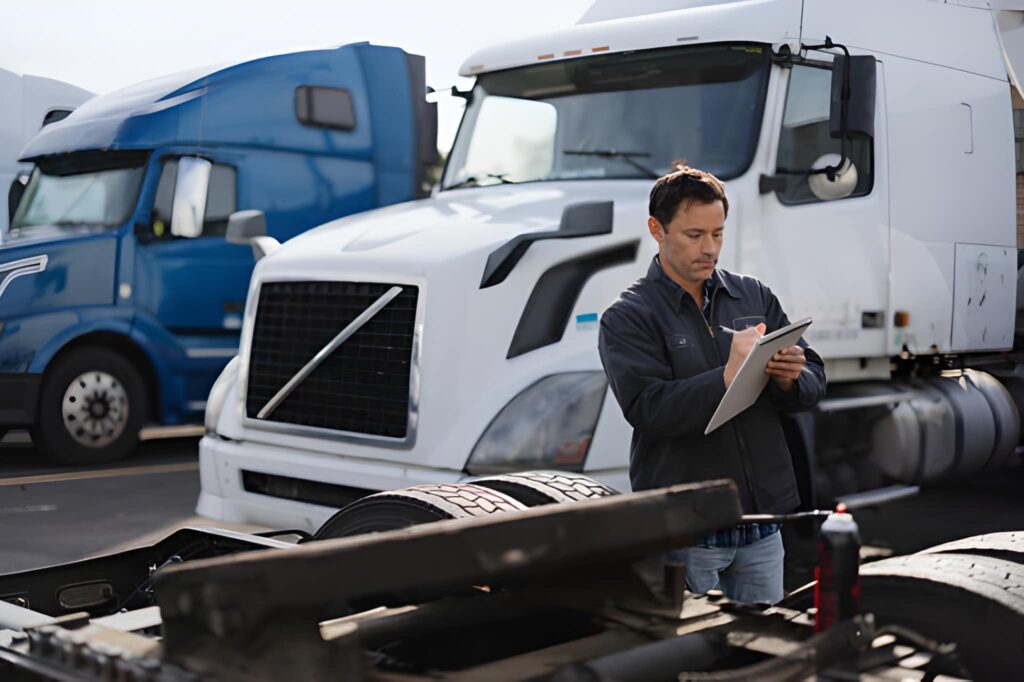
Managing a fleet in Georgia comes with constant pressure to maintain safety, meet compliance standards, and control operational costs. Trailers are a critical part of that equation. When they are properly maintained, they support smooth logistics, reduce downtime, and keep drivers safe. When they are neglected, they can quickly become a source of expensive repairs and regulatory issues.
This guide covers essential trailer maintenance tips that every fleet owner in Georgia should follow. From routine inspections to strategic planning, these insights will help you improve performance, ensure compliance, and optimize costs.
Why Trailer Maintenance Is Critical for Fleet Operations
Trailer maintenance is not just about keeping equipment in working condition. It directly affects safety, efficiency, and profitability.
A well-maintained trailer reduces the risk of accidents caused by brake failure, tire blowouts, or lightning issues. It also ensures that drivers can operate confidently without worrying about equipment problems.
Regular maintenance helps prevent unexpected breakdowns, which can disrupt delivery schedules and lead to costly delays. By addressing small issues early, fleet owners can avoid major repairs and extend the lifespan of their trailers.
Maintenance is also essential for meeting regulatory requirements. Inspections are a routine part of fleet operations, and failing to meet standards can result in fines, penalties, and downtime.
Understanding Georgia Compliance and Safety Requirements
Operating a fleet in Georgia requires adherence to both federal and state regulations. Staying compliant is a key part of fleet management.
DOT Inspection Standards
The Department of Transportation sets strict guidelines for trailer safety. These include checks on brakes, tires, lights, and structural components. Regular inspections ensure that your trailers meet these standards and are safe for operation.
Common Compliance Issues
Many fleets face recurring issues such as worn brake components, faulty lighting, and uneven tire wear. Load security is another critical area, as improperly secured cargo can lead to accidents and violations.
Penalties for Non-Compliance
Failing to meet compliance standards can result in fines, delays, and damage to your company’s reputation. In severe cases, trailers may be taken out of service, causing disruptions to your operations.
Essential Trailer Maintenance Tips for Fleet Owners
Following a consistent maintenance routine is the foundation of a reliable fleet. Here are the most important trailer maintenance tips to implement.
1. Regular Brake System Inspections
Brakes are one of the most critical safety components. Inspect brake pads, drums, and air lines regularly to ensure they are functioning properly. Address any signs of wear immediately to prevent accidents.
2. Tire Maintenance and Monitoring
Tires play a major role in both safety and fuel efficiency. Check tire pressure frequently and ensure it is within the recommended range. Inspect tread depth and look for signs of uneven wear or damage.
3. Lighting and Electrical System Checks
Proper lighting is essential for visibility and compliance. Inspect all lights, including brake lights, turn signals, and marker lights. Ensure that wiring connections are secure and free from corrosion.
4. Suspension and Axle Maintenance
The suspension system supports the trailer’s weight and ensures a smooth ride. Regularly inspect springs, shocks, and axles for signs of wear or damage. Proper maintenance helps prevent uneven tire wear and improves handling.
5. Trailer Body and Structural Inspections
Check the trailer’s frame and body for cracks, rust, or other damage. Structural issues can compromise safety and lead to costly repairs if not addressed early.
Creating a Preventive Maintenance Schedule
A structured maintenance schedule helps ensure that no critical checks are overlooked.
Daily, Weekly, and Monthly Checks
Daily inspections should include basic checks such as lights, tires, and brakes. Weekly and monthly inspections can focus on more detailed components like suspension and electrical systems.
Seasonal Maintenance Considerations
Georgia’s climate can vary, so it is important to prepare for seasonal changes. High temperatures can affect tire pressure, while rain and humidity can lead to corrosion. Adjust your maintenance routine accordingly.
Record Keeping and Documentation
Maintaining accurate records of inspections and repairs is essential for compliance and operational efficiency. Documentation helps track performance and identify recurring issues.
Cost Optimization Through Smart Maintenance
Effective maintenance is one of the best ways to control costs in fleet operations.
By identifying issues early, you can avoid expensive repairs and reduce downtime. Well-maintained trailers also operate more efficiently, which can lead to fuel savings.
Extending the lifespan of your equipment is another key benefit. Investing in regular maintenance reduces the need for frequent replacements, improving your return on investment.
Leveraging Technology for Fleet Maintenance
Technology has transformed the way fleets manage maintenance.
Fleet management software allows you to track inspections, schedule maintenance, and monitor performance. Predictive maintenance tools use data to identify potential issues before they become serious problems.
Real-time tracking and alerts help fleet managers stay informed and respond quickly to any issues. These tools improve efficiency and reduce the risk of unexpected breakdowns.
Training Drivers and Staff for Better Maintenance
Your drivers and staff play a crucial role in maintaining your fleet.
Encourage drivers to perform pre-trip and post-trip inspections. These checks help identify issues early and prevent them from escalating.
Create a system for reporting problems promptly. When issues are addressed quickly, they are less likely to cause major disruptions.
Building a maintenance-focused culture within your organization ensures that everyone understands the importance of keeping equipment in top condition.
Strategic Planning for Fleet Longevity
Long-term planning is key to maintaining a reliable and cost-effective fleet.
Budgeting for maintenance and upgrades ensures that you have the resources needed to keep your trailers in good condition. Scheduling downtime for maintenance helps minimize disruptions to your operations.
Partnering with reliable service providers can also make a significant difference. Professional support ensures that maintenance is performed correctly and efficiently.
Conclusion
Maintaining your fleet is not just about avoiding breakdowns. It is about ensuring safety, meeting compliance standards, and optimizing costs. By following these essential trailer maintenance tips, fleet owners in Georgia can improve performance and extend the life of their equipment.
Proactive maintenance is an investment that pays off in the long run. It reduces risks, enhances efficiency, and supports smooth operations.
If you want expert support in maintaining your fleet, trust Tern Services to deliver reliable and professional solutions. Contact their team today to implement a maintenance plan that keeps your trailers running safely and efficiently.
FAQs
Trailer maintenance tips help ensure safety, reduce breakdowns, improve compliance, and extend the lifespan of fleet equipment.
Trailers should be checked daily for basic safety, with more detailed inspections done weekly and monthly to maintain performance and compliance.
Common issues include worn brakes, tire damage, faulty lighting, suspension wear, and structural problems like rust or cracks.
Regular maintenance prevents major repairs, reduces downtime, improves fuel efficiency, and extends the life of trailers, saving money over time.
Drivers are responsible for pre-trip and post-trip inspections and reporting issues early, which helps prevent larger mechanical problems.