
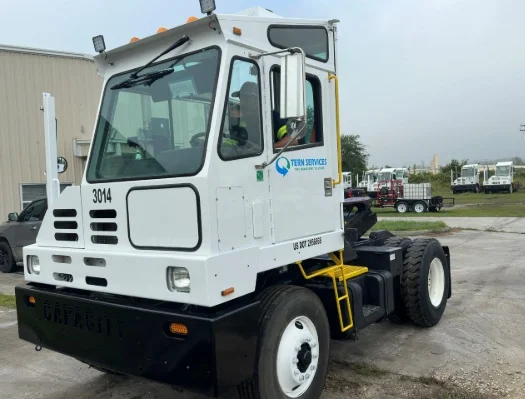
Yard truck refurbishment can help fleet managers extend the useful life of existing equipment while avoiding the high replacement cost of new equipment. For busy distribution centers, manufacturing plants, and transportation operations, a reliable yard truck is essential for moving trailers safely and efficiently. However, refurbishment should involve more than fixing a few visible problems.
A professional yard truck refurbishment process begins with understanding the condition of the vehicle and the operational requirements of the customer. At Tern Services, the approach is customized around the customer’s budget and equipment needs. The process includes a comprehensive vehicle assessment before refurbishment recommendations are developed.
What Is Yard Truck Refurbishment?
Yard truck refurbishment is the process of assessing, repairing, restoring, and preparing an existing yard truck for continued operation. Depending on the vehicle’s condition, refurbishment can address mechanical performance, components, safety-related areas, and overall appearance.
The objective is not simply to make an older truck look newer. Instead, fleet managers should look for a refurbishment process that evaluates the truck from bumper to bumper and identifies areas that may affect reliability and performance.
Tern Services takes this approach through its Expert Yard Spotter Refurbishment Program. The program is customized for individual customer requirements and is designed to give current spotter trucks a second life.
The First Step: A Comprehensive Assessment
The most important part of yard truck refurbishment is the initial assessment. Without a detailed inspection, it can be difficult to understand which repairs are necessary and which improvements are optional.
Tern Services uses a consultative process. A refurbishment specialist first meets with the customer to understand budget and equipment needs. The vehicle then receives a comprehensive assessment before the refurbishment plan is prepared.
Bumper-to-Bumper Physical Inspection
A detailed physical inspection should cover the vehicle from bumper to bumper. Tern Services states that its assessment is performed to factory OE specifications.
For fleet managers, this type of inspection provides an important starting point. It helps identify areas that require repair or attention before decisions are made about the extent of refurbishment.
A thorough inspection may consider:
General vehicle condition
Visible component wear
Mechanical areas
Safety-related components
Exterior condition
Equipment-specific requirements
The exact refurbishment requirements will vary from one yard truck to another.
Engine and Transmission Diagnostics
Engine and transmission health can have a major impact on the operational reliability of a yard truck. For that reason, diagnostics should be an important part of any refurbishment evaluation.
Tern Services includes a computer diagnostic report covering engine and transmission health in its refurbishment assessment. This provides additional information beyond what can be identified through a visual inspection.
Oil Analysis for Major Components
Tern Services also includes oil analysis as part of its refurbishment assessment. The company’s process specifically includes analysis of engine, transmission, and rear axle oil.
Oil analysis can provide useful information about the condition of major drivetrain components. For fleet managers, this adds another layer of information to the physical inspection and computer diagnostic report.
Instead of making refurbishment decisions based only on appearance, managers can consider information from multiple parts of the assessment.
This is particularly useful when deciding whether a vehicle should receive a limited refurbishment or a more comprehensive program.
Mechanical Condition and Yard Truck Repair
Mechanical condition is central to any yard truck refurbishment decision. A refurbishment provider should first identify the condition of the vehicle and then determine what repairs or restoration work are appropriate.
Yard truck repair may involve addressing problems identified during the inspection and diagnostic process. However, the required work should be based on the actual condition of the specific vehicle.
For fleet managers, this means avoiding a one-size-fits-all approach.
A good refurbishment plan should explain:
What needs immediate attention
What repairs are recommended
What work is optional
Which areas may affect reliability
What level of refurbishment is appropriate
Safety Should Remain a Priority
Safety is an important consideration when returning any yard truck to service. Yard trucks operate in active environments where trailers, employees, pedestrians, docks, and other equipment may be present.
Therefore, fleet managers should ensure that refurbishment decisions consider safety-related vehicle conditions as part of the overall inspection.
Tern Services approaches yard operations with a focus on safe and efficient transportation. Its broader services also include dedicated spotting and shuttle operations, supporting customers that depend on organized movement of equipment.
Safety Areas to Evaluate
As part of a general refurbishment review, fleet managers can ask whether the inspection addresses:
Braking-related condition
Lighting and visibility
Tires and wheels
Steering and control systems
Safety equipment
Structural condition
Operator environment
The exact inspection requirements should depend on the vehicle, operating environment, and applicable standards.
Components and Equipment Condition
A yard truck depends on multiple components working together. Therefore, a refurbishment program should look beyond the engine and transmission. Every major component can influence the truck’s performance, reliability, and ability to support daily yard operations.
Component condition can affect equipment availability, operating performance, and maintenance requirements. Identifying worn or damaged components during refurbishment may help reduce the risk of unexpected problems later. For businesses managing busy facilities, reliable equipment is also an important part of an effective yard management service Conyers operations can depend on.
Fleet managers should request an itemized explanation of recommended work. This makes it easier to understand where the refurbishment budget is being allocated. It also allows operations teams to compare refurbishment costs with the potential expense of replacing the equipment.
Exterior Appearance and Vehicle Presentation
Appearance is another consideration, although it should not replace mechanical evaluation. A yard truck that is heavily used can develop exterior wear over time.
Refurbishment may provide an opportunity to improve the vehicle’s overall presentation. This can be useful for organizations that want their equipment to maintain a professional appearance across the facility.
However, appearance should be evaluated after the vehicle’s mechanical and operational requirements are understood.
For fleet managers, the priority should be:
Mechanical condition
Safety and operational requirements
Component condition
Reliability
Appearance and presentation
Customized Refurbishment Levels
Not every yard truck needs the same level of refurbishment. One vehicle may need limited repairs, while another may require more extensive work.
Tern Services prepares a refurbishment report that includes an itemized proposal based on the vehicle assessment. The company also provides options for different levels of refurbishment.
This is valuable for fleet managers because it supports informed decision-making.
Rather than automatically performing every possible repair, managers can review the assessment and determine which level of work best matches their operational requirements and budget.
What Should a Refurbishment Proposal Include?
A clear proposal can make the refurbishment process easier to manage. Fleet managers should look for documentation that connects the inspection findings with the recommended work.
Refurbishment Area | What Fleet Managers Should Evaluate | Why It Matters |
|---|---|---|
Physical inspection | Overall bumper-to-bumper condition | Identifies visible and mechanical concerns |
Engine | Diagnostic results and condition | Supports reliability decisions |
Transmission | Diagnostic information and condition | Helps assess drivetrain performance |
Rear axle | Oil analysis and condition | Adds information about component health |
Safety | Vehicle and safety-related condition | Supports safe operation |
Components | Wear, damage, and replacement needs | Helps reduce unexpected issues |
Appearance | Exterior condition and presentation | Improves overall equipment condition |
Refurbishment level | Scope of recommended work | Aligns investment with equipment needs |
This type of evaluation gives fleet managers a structured way to review truck refurbishment services and compare options.
Terminal Tractor Refurbishment vs. Replacement
Terminal tractor refurbishment can be an alternative to replacing an existing yard truck when the equipment remains a viable candidate for continued service.
The decision should not be based solely on the vehicle’s age. Instead, managers should consider its overall condition, diagnostic results, operating requirements, and refurbishment needs.
Tern Services specifically positions its refurbishment program as a way for customers to avoid the high replacement cost associated with new equipment and extend the life of their current spotter truck.
The right decision will depend on the individual vehicle and the organization’s operational goals.
Why a Consultative Approach Matters
Every fleet has different operating conditions, budgets, and equipment requirements. Therefore, a refurbishment program should be flexible enough to reflect those differences.
Tern Services uses a consultative approach by meeting with customers to understand their budget and equipment needs before completing the vehicle assessment.
This approach helps connect the technical condition of the truck with the customer’s actual requirements.
For operations managers, that connection is important. A technically sound refurbishment plan still needs to make sense for the way the equipment is used.
Refurbishment and Operational Reliability
Reliability is one of the main reasons fleet managers evaluate refurbishment. A yard truck is part of the larger flow of trailers and materials through a facility.
When equipment is unavailable, operations may experience delays and additional pressure on other assets. Therefore, refurbishment should focus on understanding the vehicle’s condition before it returns to regular service.
A comprehensive assessment gives managers more information for making that decision.
Tern Services also operates in the broader yard-management space, providing yard management, spotting, shuttle, trailer rental, and truck refurbishment services.
How Tern Services Approaches Yard Truck Refurbishment
Tern Services describes its Expert Yard Spotter Refurbishment Program as a customized process focused on giving existing spotter trucks a second life.
The process starts with a conversation about budget and equipment needs. A refurbishment specialist then performs a comprehensive vehicle assessment.
The assessment includes:
Bumper-to-bumper physical inspection
Inspection to factory OE specifications
Computer diagnostics for engine health
Computer diagnostics for transmission health
Engine oil analysis
Transmission oil analysis
Rear axle oil analysis
Following the assessment, Tern Services prepares a refurbishment report with an itemized proposal and options for different levels of refurbishment.
When Should You Consider Yard Truck Refurbishment?
There is no single age or mileage threshold that automatically determines whether a yard truck should be refurbished. Instead, the decision should be based on condition and operational requirements.
Refurbishment may be worth evaluating when:
The existing truck remains useful to the operation.
The vehicle requires significant attention.
Replacement would involve a higher capital investment.
Fleet managers need a better understanding of the truck’s condition.
The equipment may benefit from a second life.
The organization wants refurbishment options that match its budget.
A professional assessment can help determine whether refurbishment makes practical sense.
Conclusion: Make Yard Truck Refurbishment a Data-Driven Decision
Yard truck refurbishment is more than repairing an aging vehicle or improving its appearance. For fleet managers, it should begin with a detailed understanding of the truck’s mechanical condition, diagnostics, component health, safety requirements, and operational needs. A well-planned refurbishment can help businesses make better use of existing equipment while supporting reliable yard operations.
Tern Services takes a customized approach that starts with understanding the customer’s budget and equipment requirements. Its refurbishment assessment includes a bumper-to-bumper physical inspection, computer diagnostics for engine and transmission health, and oil analysis for the engine, transmission, and rear axle. The resulting refurbishment report provides an itemized proposal with different refurbishment options.
If you are considering refurbishment for your existing yard trucks, Contact Tern Services to discuss your equipment requirements and refurbishment options. The team can help you understand the condition of your equipment and determine an approach that aligns with your operational needs and budget.
Frequently Asked Questions About Yard Truck Refurbishment
Yard truck refurbishment can include a comprehensive physical inspection, diagnostics, component evaluation, repairs, and other work based on the vehicle’s condition. At Tern Services, the assessment includes bumper-to-bumper inspection, engine and transmission diagnostics, and oil analysis for the engine, transmission, and rear axle.
It depends on the condition of the existing vehicle and the customer’s operational requirements. Refurbishment can help customers avoid the high replacement cost of new equipment when an existing spotter truck is a suitable candidate.
Yes. Tern Services describes its refurbishment program as customized around the customer’s budget and equipment needs. Different levels of refurbishment can also be proposed following the vehicle assessment.
Yes. Tern Services’ published refurbishment process includes a computer diagnostic report covering engine and transmission health.
Yes. The refurbishment assessment includes oil analysis for the engine, transmission, and rear axle.
Tern Services first performs a comprehensive assessment. A refurbishment report is then prepared with an itemized proposal based on the assessment, along with options for different levels of refurbishment.