
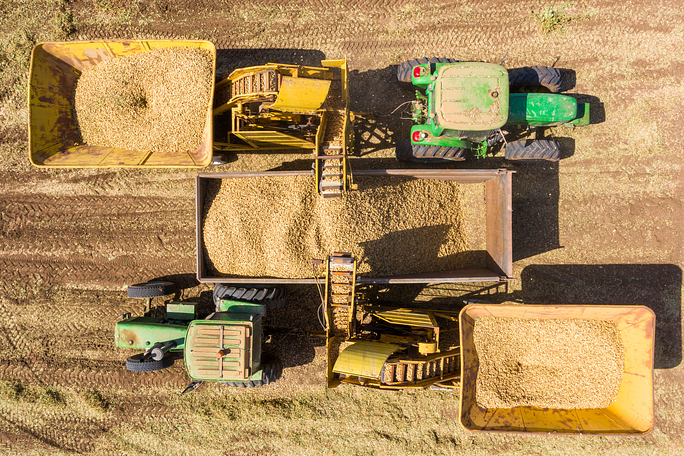
Peanut harvesting is a time-sensitive operation where even small delays can lead to quality loss, higher costs, and logistical stress. While farmers often focus heavily on crop health and harvesting equipment, transport planning is just as critical to a successful harvest. Without a clear plan in place, bottlenecks can occur quickly once peanuts are lifted from the field.
This article explains why proactive transport planning is essential and how using a peanut harvest transport planning checklist helps farmers avoid delays, protect crop quality, and streamline the entire harvest process. These best practices reflect the operational guidance supported by Tern Services, which works closely with farmers to improve harvest efficiency and logistics coordination.
Understanding Harvest Delays and Their Impact
Harvest delays can have a serious impact on peanut quality and profitability. Once peanuts are dug, they are vulnerable to moisture changes, weather exposure, and contamination. If transport is not available on time, peanuts may sit in the field or on trailers longer than planned, increasing the risk of spoilage.
Delays can also result in missed delivery windows at drying or processing facilities, leading to longer wait times or rejected loads. From a financial perspective, transport delays increase labor costs, fuel usage, and equipment downtime. Over the course of a harvest season, these inefficiencies can significantly reduce net returns.
Understanding these risks highlights why transport planning must begin well before harvest starts.
The Role of Transport Planning in Harvest Success
Transport logistics play a central role in harvest operations. Harvesting equipment, labor availability, and transport schedules must all work together. If one element falls behind, the entire process slows down.
Proactive transport planning ensures that truck refurbishment and trailers are available when peanuts are ready for pickup. It also helps farmers coordinate field operations with delivery schedules so peanuts move smoothly from the field to drying or storage facilities.
By aligning harvest timing with transport availability, farmers reduce idle time and keep operations running efficiently during peak harvest days.
What Is a Peanut Harvest Transport Planning Checklist
A peanut harvest transport planning checklist is a structured tool that helps farmers organize and confirm all transport-related tasks before harvest begins. It ensures that no critical detail is overlooked during a busy season.
Using a checklist allows farmers to plan vehicle availability, route logistics, compliance requirements, and contingency options. It also improves communication with drivers, storage facilities, and harvest crews.
Checklists reduce last-minute decisions and provide clarity during high-pressure harvest periods, making them an essential planning resource.
Pre-Harvest Transport Preparation
Effective transport planning starts weeks before harvest. One of the first steps is estimating expected yield and load volumes. Accurate yield projections help determine how many trucks or trailers will be required each day.
Booking transport in advance is critical, especially during peak harvest season when demand is high. Farmers should also plan delivery routes, considering road conditions, travel time, and potential restrictions.
Checking licensing, permits, and weight limits helps avoid compliance issues that could delay deliveries. Preparation ensures transport is ready when harvesting begins.
Equipment and Vehicle Readiness
Transport equipment must be fully operational before harvest starts. Trucks, trailer rentals, and loading equipment should be inspected for mechanical issues, tire condition, braking systems, and safety features.
Cleanliness is also essential. Dirty trailers increase the risk of contamination and quality rejection. Ensuring all equipment is clean and dry protects peanut quality during transport.
Having backup vehicles or alternative transport arrangements in place provides added security if breakdowns occur during peak harvest days.
Storage and Delivery Coordination
Transport planning must be coordinated with storage and delivery facilities. Farmers should confirm receiving hours, capacity limits, and unloading procedures well in advance.
Scheduling deliveries helps prevent congestion at drying facilities and reduces waiting times for drivers. Clear communication ensures peanuts are accepted promptly and handled correctly upon arrival.
Coordinated logistics improve turnaround time and help maintain consistent harvest momentum.
Risk Management and Contingency Planning
Even with careful planning, unexpected issues can arise. Weather changes, equipment failures, or road closures can disrupt transport schedules.
Proactive farmers prepare contingency plans that include alternative routes, backup drivers, and additional transport providers. Monitoring weather forecasts and adjusting schedules accordingly helps minimize disruptions.
A strong risk management approach ensures harvest operations continue smoothly, even when challenges arise.
Benefits of Proactive Peanut Transport Planning
Farmers who adopt proactive transport planning experience fewer harvest delays and reduced crop losses. Peanuts are delivered on time, maintaining optimal moisture levels and quality.
Efficient logistics also improve labor productivity and reduce operational stress. Crews work more effectively when transport is reliable and predictable.
Using a peanut harvest transport planning checklist leads to better cost control, improved market value, and a smoother harvest season overall.
Common Transport Planning Mistakes to Avoid
One common mistake is waiting until harvest begins to arrange transport. This often results in limited availability and higher costs.
Underestimating yield volume can lead to insufficient transport capacity, while skipping vehicle inspections increases the risk of breakdowns. Poor communication with storage facilities can also cause delivery delays.
Avoiding these mistakes requires early planning, accurate forecasting, and consistent coordination.
Conclusion
Successful peanut harvesting depends on more than just strong yields and efficient equipment. Transport planning plays a critical role in preventing delays, protecting quality, and maintaining harvest momentum.
By using a structured peanut harvest transport planning checklist, farmers can streamline logistics, reduce risk, and improve overall efficiency. Proactive planning allows harvest operations to run smoothly, even during peak demand periods.
With practical planning support and logistics insight from Tern Services, farmers can strengthen their harvest strategies and ensure peanuts move efficiently from field to facility, season after season.
Start planning early and take control of your harvest logistics to avoid costly delays and protect crop quality.
FAQs
A peanut harvest transport planning checklist is a step-by-step guide that helps farmers organize transport logistics before harvest. It covers vehicle availability, scheduling, routes, storage coordination, and contingency planning to prevent delays.
Peanut harvest is time-sensitive, and delays can reduce crop quality. Using a peanut harvest transport planning checklist ensures timely pickups, smooth deliveries, and reduced risk of moisture damage or spoilage.
Farmers should begin transport planning several weeks before harvest. Early preparation allows time to book transport, inspect equipment, and coordinate delivery schedules with storage or processing facilities.
The checklist should include yield estimates, truck and trailer availability, equipment inspections, delivery schedules, route planning, weather monitoring, and backup transport options.
Proper transport planning reduces waiting time, keeps harvest crews productive, and ensures peanuts are delivered quickly and safely. This improves overall efficiency and helps protect crop value.