
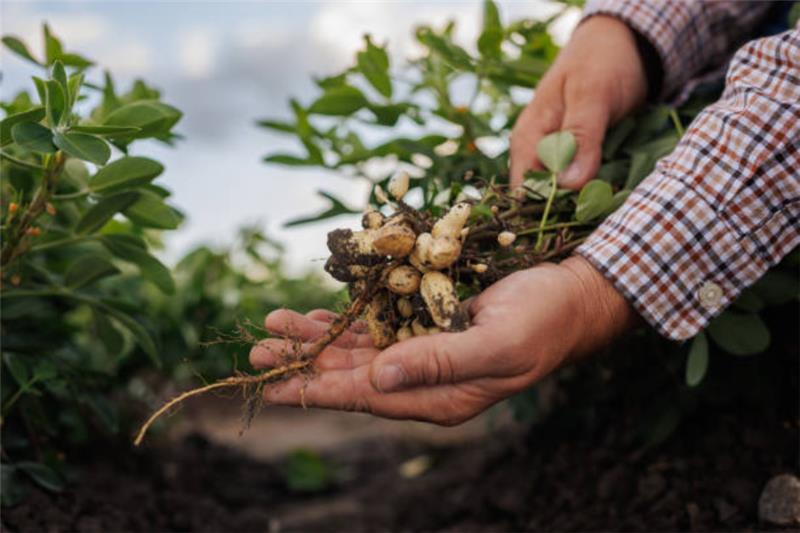
Peanut cultivation plays a vital role in global agriculture, supplying essential protein and oil to millions of consumers worldwide. For agricultural buyers, farm managers, and agribusiness investors, understanding the realities of managing a peanut plant farm is critical to ensuring consistent yield, premium quality, and long-term profitability. While peanuts are a resilient crop, they face several production challenges from soil conditions to pest pressures and climate variability.
Expert support from experienced agricultural partners such as Tern Services helps peanut growers overcome these obstacles with precision and efficiency. This guide explores the most common challenges in peanut farming and explains how professionals manage them successfully.
Soil Related Challenges in a Peanut Plant Farm
Healthy soil is the foundation of every successful peanut plant farm. Since peanuts develop underground pods, soil structure and nutrient balance directly influence yield and quality.
Poor Soil Structure
Peanuts require loose, well aerated soil to allow proper root growth and pegging. Pegging is the process where the flower stalk penetrates the soil to form pods. Compacted or heavy clay soils restrict this process, reducing pod formation.
Experts address this issue by:
- Conducting soil analysis before planting
- Implementing deep tillage where necessary
- Improving soil texture with organic matter
- Using proper field preparation techniques
Nutrient Deficiencies
Calcium is especially important for peanut development. Deficiencies can lead to empty pods or poor kernel quality. Phosphorus and micronutrients also play a critical role in plant health.
Professional crop managers recommend:
- Pre planting soil testing
- Targeted fertilization programmers
- Gypsum application to improve calcium availability
- Balanced nutrient scheduling throughout the season
Waterlogging and Drainage Issues
Peanuts are highly sensitive to standing water. Waterlogged fields can cause root rot, fungal infections, and reduced yields.
Experts ensure:
- Proper field levelling
- Installation of drainage systems
- Raised bed planting in high rainfall areas
- Monitoring soil moisture levels carefully
With proper soil preparation and monitoring, a peanut plant farm can establish strong early growth and maintain uniform development.
Water Management Challenges
Water management is one of the most delicate aspects of peanut cultivation.
Drought Stress
Peanuts are particularly sensitive to water stress during flowering and pod filling stages. Even short periods of drought can significantly reduce yield.
Specialists implement:
- Drip or sprinkler irrigation systems
- Scheduled irrigation based on crop stage
- Soil moisture sensors for precision watering
- Drought resilient farming practices
Over Irrigation
Excess irrigation increases the risk of fungal diseases and nutrient leaching.
Experts manage this by:
- Monitoring rainfall patterns
- Adjusting irrigation schedules
- Ensuring fields drain efficiently
- Applying water only when necessary
Efficient irrigation planning ensures optimal plant growth without increasing disease risks.
Pest Infestation Problems
Pests are a major threat to peanut plant farm productivity. Without timely control, infestations can destroy foliage and reduce pod development.
Common Peanut Pests
- Aphids
- Leaf miners
- White grubs
- Thrips
- Caterpillars
These pests damage leaves, stems, and roots, leading to stunted growth and lower yields.
Expert Pest Control Peanuts Strategies
Professional pest control peanuts management focuses on integrated pest management systems.
Key approaches include:
- Regular field scouting and monitoring
- Biological control agents
- Targeted pesticide applications
- Use of pest resistant varieties
- Timely intervention based on threshold levels
Integrated pest management reduces chemical dependency while maintaining crop health.
Crop Disease Management Issues
Diseases are another critical concern for peanut growers. Effective crop disease management protects both yield and quality.
Common Fungal Diseases
- Early leaf spot
- Late leaf spot
- Rust
- Stem rot
- Root rot
Fungal infections spread rapidly in humid conditions and can devastate crops if untreated.
Soil Borne Diseases
Pathogens in the soil can infect plants at early stages and reduce overall productivity.
Expert Crop Disease Management Solutions
Specialists use a comprehensive crop disease management plan that includes:
- Crop rotation to break disease cycles
- Use of certified disease resistant seed varieties
- Timely fungicide applications
- Regular disease scouting
- Removal of infected plant material
Early detection and proactive treatment are essential for protecting a peanut plant farm from severe losses.
Weed Competition in Peanut Farming
Weeds compete aggressively with peanuts for sunlight, nutrients, and water. Early stage weed competition can significantly reduce yield potential.
Expert weed control strategies include:
- Pre planting herbicide application
- Mechanical cultivation
- Mulching techniques
- Post emergence herbicide management
- Early season monitoring
Proper weed management ensures peanuts establish quickly and grow without resource competition.
Climate and Environmental Risks
Climate variability is an increasing challenge for peanut producers. Unpredictable rainfall, temperature extremes, and changing weather patterns affect crop development.
Experts manage climate risks by:
- Selecting adaptable peanut varieties
- Monitoring seasonal forecasts
- Adjusting planting schedules
- Implementing climate resilient farming practices
- Using crop insurance strategies where available
Proactive planning reduces exposure to environmental uncertainty and stabilises production outcomes.
Harvest and Post Harvest Challenges
Even after a successful growing season, improper harvesting can reduce profitability.
1. Improper Harvest Timing
Harvesting too early reduces kernel maturity. Harvesting too late increases pod loss and quality deterioration.
2. Pod Damage
Mechanical damage during lifting and threshing can reduce market value.
3. Aflatoxin Contamination
Improper drying and storage conditions can lead to fungal contamination, making peanuts unsafe for consumption.
Experts ensure:
- Accurate maturity assessment
- Proper lifting and inversion timing
- Controlled drying conditions
- Hygienic storage facilities
- Moisture monitoring during storage
Careful post harvest management protects quality and maximises returns for agricultural buyers.
The Role of Professional Support in Managing a Peanut Plant Farm
Modern peanut farming requires more than traditional methods. Data driven strategies, scientific monitoring, and precision agriculture tools are transforming the industry.
Tern Services provides comprehensive agricultural solutions tailored to the needs of peanut growers and buyers. From soil analysis and pest control peanuts strategies to advanced crop disease management programmers, expert guidance ensures higher yields, improved quality, and reduced production risks.
Professional farm management includes:
- Field audits and crop assessment
- Customised fertilisation plans
- Integrated pest and disease control
- Irrigation scheduling
- Harvest optimisation
- Ongoing advisory services
With expert support, farmers can confidently manage challenges and achieve consistent performance in their peanut plant farm operations.
Conclusion
Peanut farming offers strong opportunities for agricultural buyers and producers, but success depends on effectively managing soil health, water supply, pests, diseases, weeds, and climate risks. Each stage of production requires careful attention and professional expertise to ensure optimal yield and premium quality.
Working with experienced agricultural specialists such as Tern Services helps peanut growers overcome challenges through strategic planning and scientifically proven methods. From pest control peanuts solutions to comprehensive crop disease management systems, expert guidance strengthens every stage of production.
If you are looking to optimise your peanut plant farm performance and secure long term agricultural success, contact Tern Services today to explore tailored solutions designed to maximise your yield, protect your investment, and drive sustainable growth.
FAQs:
The biggest challenge is balancing soil health, water management, and pest control while preventing crop diseases that can reduce yield and quality.
Pest control peanuts strategies are essential to protect foliage, roots, and pods from damage that can significantly lower production and market value.
Effective crop disease management prevents fungal and soil borne infections that can spread quickly and impact overall farm profitability.
Loose, well drained sandy or loamy soil with adequate calcium levels is ideal for healthy root growth and proper pod development.
Professional support provides soil testing, irrigation planning, pest monitoring, and disease control strategies that help maximise yield and ensure consistent crop quality.