
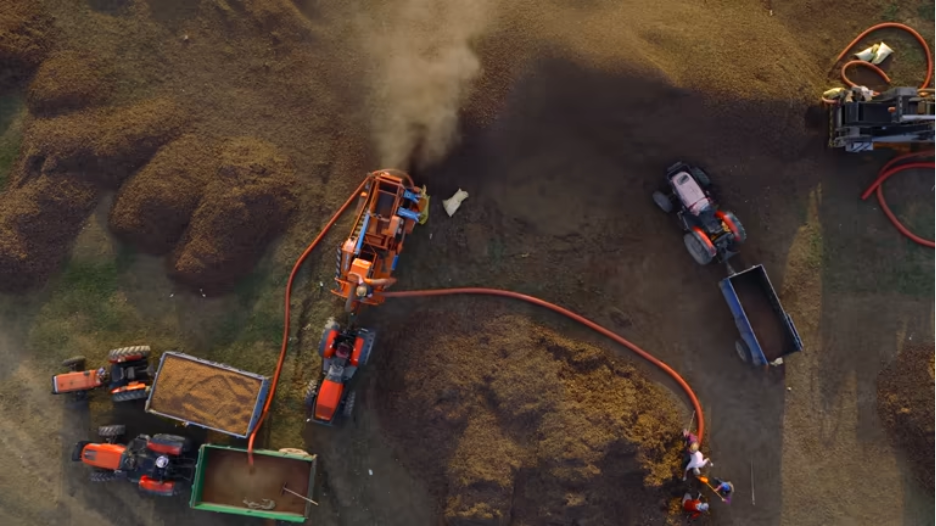
Peanuts are one of the most widely used ingredients in the global food industry. From peanut butter and cooking oils to snack products and confectionery items, manufacturers rely on consistent quality and safe supply. This is why quality management must begin at the ground nut farm and continue through every stage of harvesting, processing, and distribution.
Food manufacturers and wholesalers expect peanuts that meet strict safety and grading standards. Maintaining these standards requires careful agricultural practices, precise harvesting techniques, proper storage, and efficient logistics. Companies like Tern Services play an important role in supporting the supply chain by helping farms move crops safely from the field to processing facilities.
In this guide, we explore how peanut quality is preserved from the farm level all the way to distribution.
Quality Control Starts at the Ground Nut Farm
The foundation of peanut quality begins long before harvesting. The way peanuts grow directly influences their flavor, size, oil content, and safety for consumption.
Soil Preparation and Crop Management
Healthy soil is one of the most important factors in producing high quality peanuts. Farmers prepare their land months before planting to ensure the soil contains the right nutrients and structure for peanut crops.
Key farming practices include:
- Testing soil nutrient levels before planting
- Applying fertilizers to balance nitrogen, phosphorus, and potassium
- Maintaining proper irrigation levels
- Monitoring pests and diseases that may damage crops
Peanuts grow best in well drained sandy soil. Poor soil conditions can lead to smaller kernels or lower yields. Careful crop management at the ground nut farm helps produce peanuts that meet the food industry’s quality expectations.
Selecting High Quality Peanut Varieties
Farmers also select peanut varieties that are known for their consistent size, taste, and oil content. Different varieties are grown depending on climate conditions and market demand.
Some varieties are preferred for peanut butter production, while others are better suited for roasting or snack products. Choosing the right seeds helps ensure that harvested peanuts meet processing requirements.
Harvest Timing and Its Impact on Quality
Harvesting peanuts at the correct time it is critical. If harvested too early, the peanuts may not reach full maturity. If harvested too late, pods may detach from the plant or become damaged.
Identifying the Right Harvest Window
Most peanuts are harvested between late September and November depending on the region and weather conditions. Farmers monitor crop maturity carefully during this period.
Signs that peanuts are ready for harvest include:
- Fully developed pods
- Proper kernel color
- Reduced plant moisture
Harvesting within the correct window ensures the peanuts have optimal flavor and nutritional quality.
Avoiding Harvest Related Damage
Peanut harvesting involves specialized equipment that digs plants from the soil and turns them upside down so pods can dry.
Careful handling is necessary to prevent:
- Pod breakage
- Kernel damage
- Crop loss in the field
Proper harvesting techniques help preserve peanut quality before the crop moves to the next stage of the supply chain.
Post Harvest Handling at the Farm
Once peanuts are removed from the field, proper post-harvest handling becomes essential. Without correct drying and storage, peanuts can develop mold or contamination.
Drying and Moisture Control
Freshly harvested peanuts contain significant moisture. If not dried properly, excess moisture can cause fungal growth.
Farmers use controlled drying systems to reduce moisture levels to a safe range. Proper drying protects peanuts from spoilage and ensures they are safe for long term storage.
Safe Storage Practices
After drying, peanuts are stored in clean facilities that protect them from pests and environmental damage.
Important storage practices include:
- Maintaining controlled temperature levels
- Monitoring humidity
- Regularly inspecting stored peanuts for contamination
- Using clean storage containers or silos
These steps help preserve the quality achieved at the ground nut farm before peanuts are sent for grading and processing.
Peanut Grading Standards and Quality Assessment
Before peanuts reach food manufacturers, they must meet strict grading standards. These standards ensure that the crop meets quality and safety requirements.
What Are Peanut Grading Standards
Grading systems evaluate peanuts based on several characteristics.
Common grading factors include:
- Kernel size
- Shape and uniformity
- Color and appearance
- Percentage of damaged kernels
Peanuts that meet higher grades are typically used for premium food products, while lower grades may be used for oil production or animal feed.
Quality Testing for Food Safety
Food safety is another critical component of peanut quality control.
Testing may include:
- Aflatoxin screening
- Moisture level testing
- Contamination checks
- Quality inspections
These tests ensure that peanuts meet regulatory standards and are safe for consumption.
Peanut Processing and Preparation for Market
Once peanuts pass grading standards, they move to processing facilities where they are prepared for distribution to manufacturers.
Cleaning and Sorting
The first step in processing is cleaning the peanuts. Machines remove dirt, debris, and damaged shells.
Peanuts are then sorted based on size and quality. This sorting process ensures that buyers receive uniform products suited to their manufacturing needs.
Shelling and Processing
After cleaning, peanuts may be shelled and prepared for different uses. Processing may include:
- Shell removal
- Kernel sorting
- Packaging for commercial buyers
Maintaining consistency during processing is essential for food manufacturers who rely on standardized ingredients.
The Role of Logistics in Protecting Peanut Quality
Even the highest quality peanuts can lose value if they are not transported correctly. Efficient logistics ensure the crop moves quickly and safely from farms to processors.
1. Fast Transport from Farm to Processing Facilities
Timing plays an important role in maintaining freshness. Peanuts should be transported as soon as possible after harvesting and drying.
Efficient transportation helps:
- Prevent delays in processing
- Reduce exposure to environmental risks
- Maintain product quality
Reliable logistics services help farmers move crops quickly during busy harvest seasons.
2. Specialized Equipment for Peanut Transport
Transporting agricultural crops requires specialized equipment designed to handle bulk products safely.
Agricultural trailers and transport vehicles help prevent:
- Crop contamination
- Excess movement that damages kernels
- Moisture exposure during transport
Logistics providers like Tern Services support peanut farming operations by providing equipment and transport coordination that protects the crop throughout the supply chain.
Supply Chain Coordination for Food Industry Buyers
The peanut supply chain involves several participants including farmers, processors, distributors, and manufacturers. Effective coordination ensures that quality standards are maintained throughout this journey.
Key elements of supply chain management include:
- Communication between farms and processing facilities
- Quality documentation for each shipment
- Traceability systems to track product origin
- Compliance with food safety regulations
These systems help food industry buyers maintain transparency and confidence in their supply sources.
Why Reliable Logistics Partners Matter
Efficient logistics play a major role in maintaining peanut quality from farm to distribution. Delays or improper handling can lead to spoilage, contamination, or product loss.
Working with reliable logistics providers helps farms and processors maintain consistent quality standards.
Benefits of reliable logistics support include:
- Faster movement of crops during harvest
- Reduced product damage during transport
- Better coordination between farms and processors
- Improved supply chain efficiency
Companies like Tern Services help support agricultural operations by providing transportation solutions and equipment that keeps peanuts moving efficiently through the supply chain.
Conclusion
Maintaining peanut quality requires careful attention at every stage of production. The process begins at the ground nut farm with proper soil preparation, crop management, and seed selection. It continues through harvesting, drying, storage, grading, processing, and transportation.
Each step in the supply chain plays an important role in ensuring that peanuts meet the expectations of food manufacturers and global buyers. Efficient logistics and proper handling help preserve freshness and protect the crop from contamination or damage.
Reliable transportation and coordination services are essential for keeping the peanut supply chain running smoothly. Tern Services supports peanut farming operations by helping move crops safely and efficiently from farms to processing and distribution centers.
If you are looking to improve your agricultural logistics and ensure high quality peanut transportation, partnering with experienced service providers can make a significant difference in maintaining quality from farm to market.
FAQs
A ground nut farm is a farm dedicated to cultivating peanuts, also known as groundnuts. These farms focus on growing, harvesting, and preparing peanuts for processing and distribution to food manufacturers, wholesalers, and retailers.
Quality control ensures that peanuts meet food safety and grading standards. Proper soil preparation, crop management, harvesting, and storage help maintain peanut quality and prevent contamination or spoilage.
Peanut grading standards evaluate peanuts based on factors such as kernel size, color, uniformity, and damage levels. These standards help determine the quality and suitability of peanuts for different food products.
Transportation plays a key role in preserving peanut freshness. Proper equipment, quick transport times, and careful handling help prevent moisture exposure, contamination, and kernel damage during shipment.
Logistics companies help move harvested peanuts efficiently from farms to processing facilities. Services such as trailer transport, coordination, and reliable scheduling help maintain product quality throughout the supply chain.