
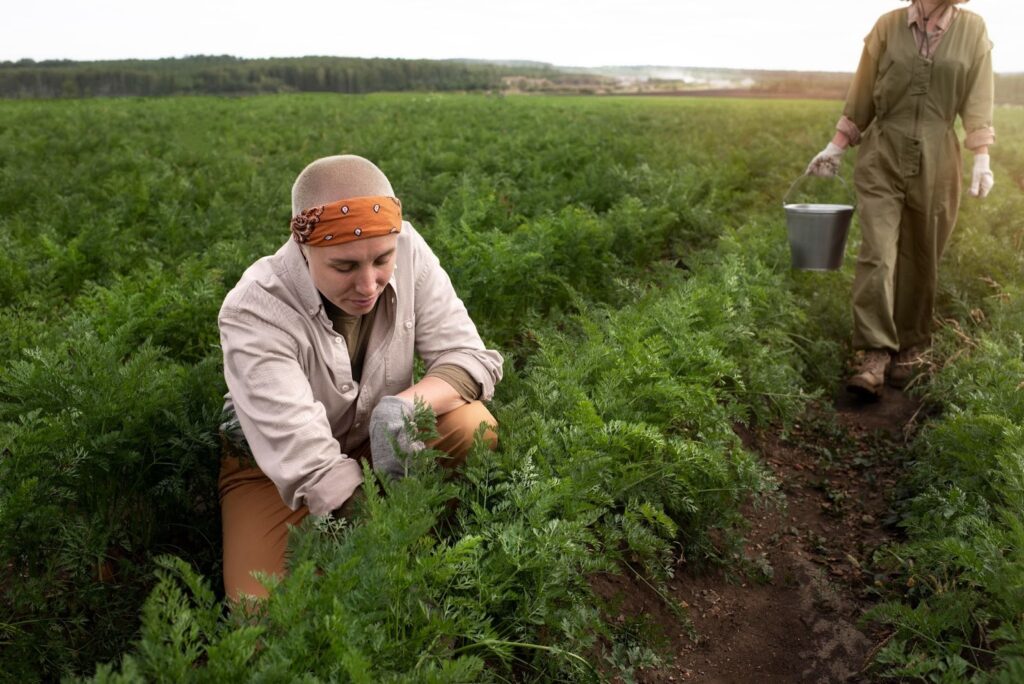
Starting a ground nut farm is a promising venture for aspiring and small-scale groundnut farmers. Groundnuts are in high demand for food, oil production, and export markets. They are nutritious, versatile, and can generate consistent income when cultivated correctly.
However, the success of a ground nut farm depends on careful planning, attention to detail, and proper farm management. Small-scale farmers who invest time in learning about soil quality, planting techniques, irrigation, pest management, and marketing strategies are more likely to see higher yields and better financial returns.
For aspiring and small-scale groundnut farmers, understanding the growth cycle, seasonal requirements, and potential challenges of groundnut farming is essential. By implementing proven farming practices, farmers can reduce losses, prevent crop damage, and ensure their investment in land, seeds, and labour results in a profitable harvest.
Understanding Groundnut Farming
A ground nut farm involves cultivating peanuts for human consumption, oil extraction, or seed production. Groundnuts are legumes that grow underground, requiring specific soil and climate conditions. Warm temperatures, adequate sunlight, and moderate rainfall are ideal for groundnut growth.
Different groundnut varieties are available, each suited to particular climates, soil types, and market requirements. Valencia, Virginia, and Spanish varieties are commonly cultivated. Each variety differs in pod size, growth period, and oil content, affecting yield and market value. Farmers should select a variety that aligns with their goals, local climate, and soil characteristics.
Understanding these basics helps small-scale farmers plan effectively, manage their crop efficiently, and anticipate potential challenges. A knowledgeable approach ensures higher productivity and long-term profitability for a ground nut farm.
Preparing Your Land
The foundation of a successful ground nut farm is proper land preparation. Begin with soil testing to determine nutrient levels and pH, ideally between 6.0 and 6.5 for optimal growth. Soil testing informs the type and amount of fertilizer or organic amendments required.
Land should be cleared of weeds, rocks, and debris to provide a smooth planting surface. Ploughing to a fine tilth ensures roots can penetrate easily and enhances drainage. Raised beds or ridges prevent waterlogging, which is harmful to groundnut plants.
Adding well-decomposed organic matter, compost, or manure enriches the soil, improves fertility, and supports healthy plant growth. Proper land preparation minimizes risks from pests, disease, and poor drainage while maximizing the crop’s potential yield.
Learn more about peanut harvest transport solutions to improve efficiency after harvesting.
Selecting Quality Seeds
High-quality seeds are essential for a productive ground nut farm. Certified seeds from reputable sources guarantee better germination rates and disease resistance. Choosing the right variety for your local climate, soil type, and market requirements ensures optimal growth and yield.
Seed treatment is a crucial step before planting. Treating seeds with fungicides or bio-fertilisers protects young seedlings from soil-borne diseases and promotes strong root development. Healthy seeds lead to stronger plants, higher pod production, and reduced crop losses. Investing in quality seeds is one of the most cost-effective ways to increase the profitability of your groundnut farm.
Planting Techniques
The timing and method of planting directly affect crop success. Groundnuts should be planted at the beginning of the rainy season or when irrigation is available to maintain adequate soil moisture.
Planting depth should be around 3–5 centimetres, with row spacing of 30-45 centimetres. Proper spacing ensures plants receive sufficient sunlight, nutrients, and water while reducing competition. Overcrowding can lead to weaker plants and lower yields. Adequate irrigation during germination and early growth is essential to establish strong seedlings and uniform crop growth.
Farmers should also consider the orientation of rows and drainage patterns to prevent waterlogging. Following recommended planting techniques increases the chances of a successful harvest and reduces the likelihood of pest and disease issues.
Crop Management
Effective crop management is key to a high-yielding ground nut farm. Regular monitoring allows farmers to detect pests, diseases, and nutrient deficiencies early.
Weed control is essential, as weeds compete with groundnuts for water, sunlight, and nutrients. Manual weeding, mulching, or hoeing can be employed depending on the farm size and resources. Pests like aphids, leaf miners, and pod borers can significantly reduce yield. Integrated pest management, including the use of resistant varieties, natural predators, and safe pesticides, helps control infestations effectively.
Nutrient management is another critical aspect. Applying fertilizers containing nitrogen, phosphorus, and potassium at appropriate growth stages supports healthy plant development and increases pod production. Small-scale farmers should maintain records of fertilizer use and monitor soil health to make informed decisions in subsequent planting seasons. For guidance on effective crop management practices and expert advice, consulting Tern Services can help ensure your groundnut farm thrives and remains productive.
Harvesting Groundnuts
Knowing the right time and method for harvesting ensures quality and minimizes losses. Groundnuts are typically ready for harvest when leaves start yellowing, and pods have matured underground. Carefully pulling up the entire plant reduces the risk of pod damage.
After harvesting, proper drying is essential to prevent mold and spoilage. Spread the pods in a well-ventilated area or under the sun until the moisture content reaches safe levels. Adequate storage in dry, cool conditions protects the crop until it is sold or processed. Proper harvesting and storage techniques not only maintain quality but also improve market value and profitability for the ground nut farm.
Marketing and Selling Your Crop
Marketing plays a vital role in ensuring profitability. Farmers should identify local and regional buyers, including processors, wholesalers, and retailers. Understanding seasonal price trends and demand patterns helps farmers choose the best time to sell their crop.
Value addition can further improve income. Processing groundnuts into roasted products, peanut butter, or oil increases market opportunities. Aspiring and small-scale farmers can also explore cooperatives or local farmer networks to reach larger markets. Strategic marketing ensures the investment in the farm translates into a sustainable and profitable venture.
Financial Management for Profitability
Careful financial planning is essential for running a profitable ground nut farm. Farmers should budget for land preparation, seeds, fertilizers, labor, irrigation, and harvesting. Tracking expenses and estimating potential returns helps identify areas where costs can be minimized without compromising productivity.
A contingency fund is recommended to manage unexpected challenges such as pest outbreaks, irregular rainfall, or market fluctuations. By monitoring cash flow and planning expenditures, aspiring and small-scale farmers can maintain a sustainable operation and ensure the farm remains profitable in the long term.
Challenges and How to Overcome Them
Groundnut farming comes with challenges such as pests, diseases, poor weather conditions, and soil nutrient depletion. Adopting preventive measures like crop rotation, timely irrigation, integrated pest management, and organic soil enrichment can minimize these risks.
Staying informed about best practices, market trends, and technological innovations helps farmers make better decisions. Continuous learning, regular inspections, and proactive management are crucial for overcoming challenges and ensuring consistent yields.
Conclusion
Starting and managing a profitable ground nut farm requires planning, dedication, and informed decision-making. By preparing the land, selecting quality seeds, following proper planting and crop management techniques, and implementing effective marketing strategies, aspiring and small-scale farmers can achieve high yields and financial stability.
Consistent monitoring, preventive care, and strategic planning help protect the investment, reduce losses, and build a successful farming venture. A well-managed ground nut farm can provide long-term benefits and create a reliable source of income for small-scale farmers.
If you are ready to start your ground nut farm, take the first step by assessing your land, choosing the right seeds, and creating a detailed crop management plan. Careful planning today can lead to a profitable and sustainable farming business tomorrow.
Frequently Asked Questions (FAQs)
Groundnuts grow best in sandy loam soils with good drainage and a pH of 6.0 to 6.5. Proper soil preparation improves yields and plant health.
Irrigation should be consistent, especially during germination, flowering, and pod formation. Avoid waterlogging, which can harm plants.
Valencia, Virginia, and Spanish varieties are suitable. Choose based on climate, soil, and intended market use.
Integrated pest management, crop rotation, resistant varieties, and timely use of safe pesticides help control common pests and diseases.
Proper planting, crop care, value addition, market research, and efficient storage practices increase profitability and reduce losses.