
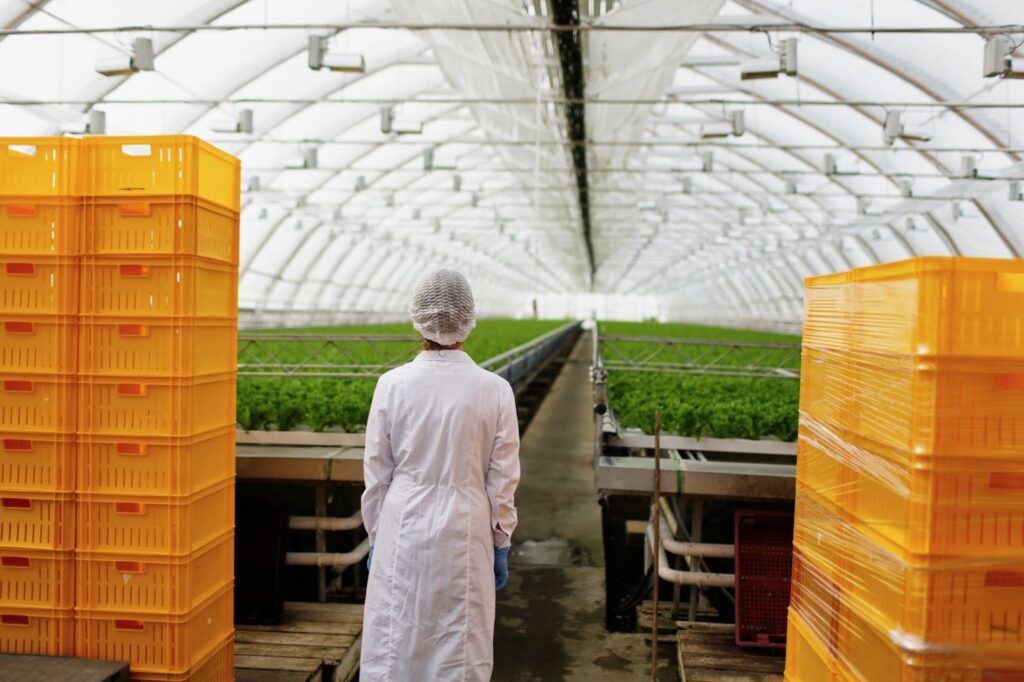
The modern peanut plant farm is a prime example of how technology and innovation can transform traditional agriculture. For farming professionals and agritech enthusiasts, adopting advanced techniques is essential for improving yield, maintaining crop quality, and increasing operational efficiency. By combining scientific research, precision tools, and smart management practices, peanut farms can achieve higher productivity while minimizing losses and environmental impact.
Innovation in farming goes beyond machinery; it includes data-driven crop management, sustainable practices, and effective post-harvest solutions. Farmers who embrace these innovations are better positioned to meet market demands and ensure their crops remain competitive in quality and quantity. Understanding how modern peanut farms operate provides insights into the future of agriculture and highlights the benefits of integrating technology into everyday farming practices.
Modern Technologies in Peanut Plant Farms
Technological innovations have revolutionized how peanut farms operate, from soil preparation to harvest. Precision agriculture tools, including GPS-guided equipment, drones, and sensors, allow farmers to monitor soil health, plant growth, and environmental conditions in real time. This data-driven approach reduces resource waste, optimizes inputs, and increases overall productivity.
Automated irrigation systems improve water efficiency by delivering precise amounts of water based on soil moisture levels. This prevents overwatering or drought stress, both of which can negatively affect yield. Additionally, soil health monitoring systems track nutrient levels and identify deficiencies early, enabling timely corrective actions that maintain crop quality.
Digital farm management platforms integrate all this data, giving farmers a comprehensive view of their operations. By analyzing trends and predicting potential issues, farming professionals can make informed decisions that improve overall efficiency and ensure consistent harvest quality.
Innovative Planting Techniques
Planting is a critical stage that directly impacts yield and quality. Modern peanut farms use high-yield, disease-resistant seed varieties tailored to specific climates and soil types. These seeds are often treated to prevent early-stage diseases and pests, giving young plants the best chance to thrive.
Optimal planting density and patterns ensure each plant has sufficient sunlight, nutrients, and water. This reduces competition and promotes uniform growth. Seed treatment technologies, such as fungicides and bio-fertilizers, protect seedlings from soil-borne pathogens and enhance early development. By applying these techniques, farmers can maximize pod formation, improve overall crop health, and achieve higher-quality yields. Consulting Tern Services can provide additional guidance on selecting the best seed varieties and treatment methods for your farm.
Crop Management with Technology
Effective crop management is key to maximizing both yield and quality in peanut farming. Real-time monitoring using drones and sensor networks allows farmers to track plant health, identify stressed areas, and detect early signs of disease or pest infestation.
Integrated pest management solutions leverage data analytics to determine the most efficient and eco-friendly methods of controlling pests. Using resistant varieties, natural predators, and selective pesticides reduces damage without harming beneficial insects.
Nutrient management is another critical factor. Precision application of fertilizers at specific growth stages ensures plants receive the nutrients they need for optimal pod development. Keeping detailed records of fertilizer use, irrigation schedules, and crop growth enables farmers to refine practices each season and continuously improve yield and quality.
Sustainable Practices in Peanut Farming
Sustainability is increasingly important in modern agriculture. Water conservation techniques, such as drip irrigation and rainwater harvesting, help farms use water efficiently while maintaining crop health. Proper soil management, including the addition of organic matter, crop rotation, and reduced tillage, preserves soil fertility and prevents erosion.
Implementing environmentally friendly practices also reduces the farm’s carbon footprint and contributes to long-term soil health. Sustainable peanut farming balances productivity with ecological responsibility, ensuring that farms remain viable and profitable for future generations.
Harvesting and Post-Harvest Innovations
Harvesting is a critical stage where innovation can significantly reduce losses. Mechanized harvesting equipment minimizes labor requirements and ensures pods are collected efficiently without damage.
Proper drying and storage technologies prevent moisture-related spoilage and preserve quality. Controlled drying techniques maintain the nutritional content and appearance of the peanuts, making them suitable for both local markets and export.
Efficient transport solutions streamline logistics from farm to market. Farmers can plan delivery routes and storage options to ensure timely distribution, reducing post-harvest losses and maintaining consistent quality across all batches. Using modern transport and storage solutions enhances overall operational efficiency and profitability.
Challenges and Future Trends
While technology provides significant benefits, adopting innovations in peanut plant farms comes with challenges. Costs of advanced equipment, access to training, and technology integration are common barriers. Additionally, small-scale farms may struggle with affordability and resource management.
Emerging trends in agritech offer solutions to these challenges. Precision farming, AI-driven crop monitoring, and automated irrigation systems are becoming more accessible, helping farms optimize production while reducing waste. The future of peanut farming lies in smart agriculture, where data-driven insights, automation, and sustainable practices converge to create high-yield, high-quality, and environmentally responsible farms.
Conclusion
Innovation is transforming peanut plant farms, driving better harvests and higher-quality crops. By adopting modern technologies, precision planting methods, advanced crop management techniques, sustainable practices, and efficient post-harvest solutions, farmers can significantly improve productivity and profitability.
For farming professionals and agritech enthusiasts, staying updated with emerging trends and applying innovative strategies is essential for long-term success. Regular monitoring, data-driven decisions, and technology adoption not only enhance yield but also ensure crop quality meets market demands. Exploring expert guidance, such as consulting Tern Services, can provide additional insights and support for optimizing peanut farm operations.
To learn more about services, tools, and resources for improving your peanut plant farm, visit the Tern Services Portal today.
Frequently Asked Questions (FAQs)
Precision agriculture tools, automated irrigation systems, drones, and soil sensors help monitor crop health, optimize inputs, and improve yield.
Integrated pest management, resistant varieties, natural predators, and targeted pesticide use reduce infestations and maintain crop health.
Drip irrigation, rainwater harvesting, soil enrichment with organic matter, crop rotation, and reduced tillage support both yield and soil health.
Mechanized equipment reduces labor costs, minimizes pod damage, and ensures timely collection, improving both quality and profitability.
AI-driven crop monitoring, smart irrigation, precision fertilization, and data-driven farm management are key trends enhancing efficiency, sustainability, and yield.